Category: Home

The Professional Window Cleaning Schedule That Actually Makes Sense for High‑Traffic Commercial Buildings

A fixed “weekly clean” contract is lazy. It ignores foot traffic, sun angles, door proximity, sprinkler overspray, and the one factor nobody budgets for: humans touching everything.

If you manage a busy commercial building, your windows don’t get dirty at a steady rate. They get dirty in bursts. Monday morning coffee traffic. Midweek deliveries. Spring pollen. A windy Thursday that turns the entrance glass into a grit magnet. So the schedule has to breathe.

One-line truth:

Clean the glass where people look first, not where your vendor’s route planner says it’s convenient.


 Start with the rhythm of the building (not the calendar)

Here’s the thing: your building already has a schedule. Occupancy peaks, deliveries, security patrols, elevator rushes, HVAC cycles, janitorial handoffs. Residential and commercial window cleaning in Hickory should ride that wave, not fight it.

In practice, that means you don’t ask “How often do we clean?” right away. You ask:

– When do people enter and queue?

– When are doors propped open for deliveries?

– When do sun and glare make streaks most obvious?

– When are lifts, lobbies, and perimeter routes least congested?

Now, this won’t apply to everyone, but in high-traffic mixed-use buildings I’ve seen the best results when exterior entrance glass is handled after the morning rush and before lunch, then detail work shifts to quieter elevations or interior partitions during peak periods.


 Foot traffic decides frequency (and you can measure it)

You don’t have to guess. Most buildings already collect enough data to estimate soil load.

Badge scans. Lobby turnstiles. Elevator calls. Even Wi‑Fi device counts if you have the analytics and privacy approvals. Put those next to the “complaint log” and you’ll see the pattern fast.

A workable frequency target looks more like ranges than promises:

Primary entrances (hands + breath + rain splash zone): every 3, 7 days

Secondary façades / side doors: weekly to biweekly

Upper elevations with low exposure: monthly, sometimes longer if coated and sheltered

Does that feel aggressive? It can be. But the alternative is the expensive version: you wait too long, grime bonds, and now you’re paying for restoration-level effort instead of maintenance-level effort.

A stat that matters: pedestrian traffic brings dirt indoors and onto adjacent surfaces fast. One study commonly cited in facilities circles found up to ~80% of indoor dirt is tracked in on footwear (Cavanaugh et al., ISSA/cleaning industry research summaries; often referenced in green cleaning programs). That same transfer dynamic hits entrance glass and frames, especially at push/pull zones.

Professional Window Cleaning

 Zones beat “one scope” every time

I like a tiered plan because it forces honesty. Not every pane deserves the same attention, and pretending otherwise is how budgets get blown quietly.


 Zone tiers (simple, effective)

Tier 1: High-visibility + high-contact

Main doors, vestibules, lobby glass walls, storefront glass at eye level. These get “touch-point” cleans, fast, targeted, frequent.

Tier 2: Medium exposure

Conference room glazing, office fronts, interior partitions near busy corridors. These can run on a balanced cadence, aligned to real occupancy.

Tier 3: Low exposure / low visibility

Upper façades, rarely used corridors, back-of-house glazing. Consolidate these to reduce travel time and lift setup.

One more opinion: if your vendor isn’t documenting zone-by-zone soil load, they’re not managing a program. They’re performing a ritual.


 The baseline cadence that doesn’t fall apart

Most high-traffic sites do well with a “three-layer” schedule: touch points, deep cleans, and checks.

Daily/near-daily touch points (as needed, fast):

Entrance doors, sidelites, vestibule panes, push plates area (yes, glass gets touched constantly), obvious drip lines.

Weekly deep cleans (planned):

Full entrance sets, lobby glass walls, interior partitions that show fingerprints and haze, frame wipe-downs where salt/mineral collects.

Monthly/quarterly checks (preventive):

Coating integrity, water quality (TDS), gasket condition, scraper policy compliance, access hardware inspection, incident reviews.

Short section, because that’s really it.

The trick is discipline. The schedule is only “smart” if you actually keep it alive.


 Coatings, surface chemistry, and the boring details that save money

If you want fewer streaks, fewer callbacks, and less chemical drama, stop treating coatings as a marketing add-on.

You’re balancing a few competing realities:

– Abrasion (dust + microfiber = gentle sandpaper over time)

– Minerals (sprinklers, hard water, runoff)

– Oils (hands, nearby food service aerosols)

– UV exposure (exterior degradation, haze, chalking on adjacent materials)

For many commercial entrances, a hydrophobic or easy-clean coating can reduce visible spotting and speed routine cleaning. But (and this is where people mess up) it only works if your process doesn’t destroy it. Aggressive pads, improper scrapers, and high-alkaline chemicals will shorten coating life quickly.

Slip resistance matters too, just not on the glass. Overspray and runoff from glass cleaning can create slick zones at entries, especially if you’re using certain detergents or leaving residue on adjacent flooring. Coordinate with janitorial so you’re not creating a safety issue while chasing clarity.

In my experience, the best “coating strategy” is boring:

1) confirm glass type and existing treatments,

2) choose compatible chemistry,

3) train techs to stop freelancing with blades and magic erasers.


 Cleaning hours: stop scheduling like the building is empty

If the lobby is packed from 8:15, 9:30 and again at 5:00, don’t place your ladders and wet tools there during those windows. Sounds obvious. People still do it.

Operational alignment looks like this in the real world:

Pre-open: fast exterior touch points, staging tools, checking access

Mid-morning lull: entrance set deep clean, vestibule detail

Lunch rush: shift to low-traffic elevations or interior glass away from food zones

Afternoon: office-front glass, conference rooms (only with approvals)

After-hours: any work needing barriers, lifts, or extended drying time

Look, if you can’t get after-hours access, then you need micro-zoning and shorter bursts. Ten minutes of work done cleanly beats an hour of “almost done” with pedestrians weaving through cones.


 Staffing: a core team plus a flex pool (otherwise you’ll miss peaks)

High-traffic buildings have predictable spikes. Events. Tenant move-ins. Weather swings. Construction dust.

So staffing should be modular:

– Core crew handles the baseline route and standard zones.

– Flex techs jump in during surge weeks, seasonal grime spikes, or when access opens unexpectedly.

– Cross-trained staff move between exterior and interior without wasting a trip.

Training isn’t just “how to squeegee.” It’s access etiquette, pedestrian awareness, chemical control, and fatigue management. A tired tech on slick flooring near a revolving door is a liability, not a hero.


 Real-time monitoring: the schedule should change when reality changes

You can run this with a fancy platform, or you can run it with a shared dashboard and discipline. Either way, you need feedback loops.

What I want tracked (minimum viable set):

– Planned vs. actual completion time per zone

– Rework events (streak complaints, missed bays, haze)

– Weather notes tied to outcomes (windy = more spotting, etc.)

– Access failures (locked doors, blocked routes, tenant refusal)

– Safety incidents and near misses

When the schedule slips, you don’t just “work harder.” You re-sequence. If exterior access is blocked, switch to interior partitions or frame detailing. Keep momentum without forcing risk.

And yes, remote checks help. Even basic camera views of entrances can prevent the classic mistake: sending a crew into a lobby that’s hosting a surprise tenant event.


 Budget: treat compliance and tenant satisfaction like line items

Window cleaning budgets get squeezed because the value is visible but hard to quantify, until it goes wrong. Then it becomes very quantifiable.

A practical way to frame cost is Total Cost of Ownership thinking:

– Labor and materials (obvious)

– Access equipment and downtime (less obvious)

– Insurance and compliance (non-negotiable)

– Penalties avoided (falls, blocked egress, chemical incidents)

– Tenant churn risk from “this place looks unmanaged” optics

Tenant satisfaction is not fluffy. Dirty entrance glass signals neglect in the same way overflowing trash does. People judge fast.


 A reusable calendar that scales (and doesn’t become fiction after week two)

Build a master template, sure. But don’t lock it.

A scalable calendar has:

– zone tiers baked in,

– weather buffers,

– versioning (so changes don’t get lost),

– and a process for quarterly review that actually results in edits.

Seasonality belongs in the plan: pollen, road salt, tourism surges, storm months, construction cycles. If your calendar doesn’t change across seasons, it’s not a plan. It’s a PDF.


 Common pitfalls (and how to dodge them without drama)

Some problems show up everywhere:

Missed inspections: fix with assigned ownership + a recurring check that has a due date, not a suggestion.

Weather denial: build a rolling 7, 14 day buffer and define forecast triggers that automatically reschedule exterior work.

Dirty frames and sills ignored: glass can be perfect and still look bad if the perimeter is grimy.

Overreliance on one “seasonal deep clean”: that’s how mineral buildup wins.

One-line warning:

If you only measure “visits completed,” you’ll optimize for showing up, not for clean windows.


 The schedule that makes the most sense is the one that can admit it was wrong

You’ll start with a baseline cadence, tier your zones, align to building hours, and choose chemistry/coatings that don’t sabotage you. Then you’ll watch performance and adjust, sometimes weekly.

That’s the difference between window cleaning as a commodity and window cleaning as building operations.


The Surfaces Most Homeowners Forget to Pressure Wash (Until It Gets Expensive)

Most people pressure wash what they *see*: the front walk, the driveway, maybe a bit of siding near the patio.

The stuff that actually wrecks houses? It’s usually hiding in shade, seams, and runoff paths.

Look, pressure washing isn’t just “make it pretty.” Done right, it’s preventative maintenance. Done wrong, it’s a fast way to inject water behind siding, fuzz up wood fibers, and blast mortar out of joints. So yes, there’s a strategy here.

Hot take: If you only pressure wash the driveway, you’re basically detailing the tires while the engine leaks oil.

The high-risk zones are the ones that stay damp, collect organics, or get hammered by splashback. That’s where mold takes hold, paint fails early, and freeze-thaw turns hairline cracks into “why is my wall crumbling?” problems. If you’re unsure When Should You Pressure Wash Your House?, start by checking the areas that never fully dry out.

One line of emphasis, because it’s true:

Ignore runoff and shade, and you’re cleaning the *least* important surfaces.

Your quick (safe) order of operations

This is where I sound like a fussy contractor, but sequence matters. If you wash in the wrong order, you’ll re-dirty what you just cleaned.

Gutters + downspout exits first (so you’re not rinsing sludge onto clean siding later)

Roof-adjacent splash zones & lower siding next

Siding from top down (controlled, wide fan tip)

Windows/trim detail work (soft tools, low pressure)

Hardscape last (driveway, pavers, patio, because you’ll track grit everywhere)

And keep the wand moving. Park it in one spot and you’ll carve a signature into wood or etch concrete like you meant to.

The forgotten villain: gutters and the “splash zone” strip

Gutters aren’t glamorous, which is exactly why they get ignored until the stains look like someone poured coffee down your siding.

When gutters overflow or leak at seams, the runoff hits one predictable area: the ground line, foundation face, and that 12, 24 inch band of siding right above it. That strip grows algae, holds dirt, and stays wet longer than anything else on the house.

Pressure Washing

Here’s what I check in the field (in this order):

  1. Dark vertical streaking under gutter seams (usually a slow leak)
  2. Pellet-like grit at the base of downspouts (shingle granules + debris)
  3. Paint bubbling or a chalky finish on lower siding
  4. Soil erosion channels directly under roof drip lines

If you fix nothing else, fix water control. Cleaning without drainage correction is just cosmetic.

Roof moss + shaded siding: not a “green” problem, a moisture problem

When you see moss on the north side, under eaves, behind a chimney, your house is telling you the drying cycle is broken. Shade, clogged gutters, and overhanging branches create a little rainforest up there.

Now, this won’t apply to everyone, but if you’re in a humid region or surrounded by trees, you should assume algae and moss are *inevitable* unless you actively prevent them.

A quick technical note: roof moss holds moisture against shingles, and that accelerates granule loss and edge lift. On siding, persistent dampness feeds mold and can trigger paint failure and wood rot (especially on older trim boards).

One practical move that’s boring but effective: trim back branches to increase airflow and sunlight. Washing helps, but drying prevents.

Data point: The Asphalt Roofing Manufacturers Association (ARMA) has long warned that algae and moss retain moisture and can contribute to premature roof wear; their consumer guidance commonly emphasizes keeping roofs clear of debris and addressing growth early. Source: ARMA consumer resources (asphaltroofing.org).

“Can I just blast the driveway?”Yeah… but that concrete has a memory.

Concrete feels indestructible until you etch it. I’ve seen perfectly good driveways turn permanently striped because someone used a zero-degree tip like it was a laser cutter.

Here’s the real decision point: after cleaning, do you seal or stain?

#Seal vs. stain (my opinionated take)

Sealant is the practical grown-up choice for most people. It’s protection-first: moisture resistance, easier cleanup, fewer oil stains soaking in.

Stain is aesthetic-first. It can look fantastic, especially on older slabs that have visual patchiness, but it won’t “armor” concrete the way a quality sealer does.

A simple way to decide:

– If you deal with freeze-thaw, road salt, lots of rain → lean seal

– If you care most about color/character and don’t mind periodic refresh → consider stain

(And please, let the slab dry properly before applying anything. Trapped moisture under sealer is how you get clouding and peeling.)

Wood decks and fences: you’re not cleaning dirt, you’re managing fibers

Pressure-treated wood is still wood. It has grain. It has softness. It also has a limit before it turns furry and splintery.

If your deck “looks clean” but feels rougher afterward, that’s damage, not success.

I prefer this approach because it works and it’s forgiving:

– Use a wide fan tip and keep distance (8, 12 inches is a decent starting range)

Spray with the grain, not across it

– Pre-treat with a wood-safe cleaner, then lightly agitate with a brush

– Rinse gently and don’t overwork one board

In my experience, most deck disasters come from impatience. People crank pressure to avoid scrubbing, and the wood pays for it later with premature staining failure.

Brick and stucco: the “white powder” and the cracks that matter

Efflorescence is that white, dusty deposit that shows up after rain or irrigation. It’s mineral salts migrating through masonry, and it’s basically a sign that water is traveling where you don’t want it.

A quick field test: rub it with your fingers. If it powders off, it’s likely efflorescence. If it smears or feels slimy, you may be dealing with algae or biofilm instead.

Cracks are trickier. Stucco hairlines can be normal; step cracks in brick near corners can signal movement; horizontal cracking can be a bigger structural conversation. Tapping for hollow spots on stucco can reveal delamination (that dull “thunk” is not your friend).

Pressure washing won’t fix any of that. Worse, aggressive washing can drive water deeper into a wall system that already has moisture issues.

Windows and trim: small stains, big clues

This is the stuff homeowners notice last, which is funny, because it’s often the earliest warning of failure.

Mineral spotting on windows can indicate overspray from sprinklers or hard water runoff. Trim grime packed into corners can hide peeling paint lines and soft wood. And once water gets behind trim, it doesn’t politely stop.

Use low pressure, or skip the washer entirely here. A soft brush, mild cleaner, and a careful rinse beats blasting caulk joints all day.

Here’s the thing: windows and trim reward precision, not force.

A washing plan that doesn’t wreck your house

No perfect template exists, but a safe workflow looks like this:

1) Protect landscaping. Wet plants first, cover delicate shrubs, avoid soaking soil with chemicals.

2) Inspect before you spray.Loose paint? Cracked mortar? Warped siding? Adjust method.

3) Choose the right tool.Wide fan nozzle for siding.Surface cleaner for flat concrete. Low pressure for anything painted or aged.

4) Work top to bottom. Overlapping passes, steady pace, consistent distance.

5) Rinse thoroughly. Soap left behind becomes a dirt magnet (and causes streaking).

Occasional aside: if you’re fighting grime every season, it’s not just “dirt.” It’s drainage, shade, and airflow.

The maintenance rhythm that actually prevents the ugly stuff

Twice a year beats one heroic weekend every three years. Spring and fall are the sweet spots for most climates.

What I like homeowners to schedule:

Gutter clean + splash zone inspection: spring and late fall

Shaded siding check: mid-summer (that’s when growth shows up)

Driveway/patio deep clean: once a year, reseal on the product’s cycle

Deck/fence wash: before staining/sealing, and spot-clean as needed

Brick/stucco walkaround: after heavy rains to catch new efflorescence/cracks

Keep a simple note on your phone with dates and products used. It sounds nerdy. It also prevents you from resealing too soon, washing too aggressively, or forgetting the one downspout that always clogs.

Pressure washing is easy. Maintaining a house is harder. The trick is using the washer like a scalpel, not a sledgehammer.

Canopy Cleaning Melbourne Delivers Fast, Efficient, And Thorough Cleaning Results

Canopy Cleaning Melbourne offers professional services that ensure exhaust systems, hoods, and ventilation areas are spotless, reducing the risk of fire hazards and improving air quality. Their team of trained technicians uses specialized equipment to deliver fast and effective cleaning, meeting strict hygiene standards. Regular cleaning not only supports compliance with safety regulations but also enhances the overall efficiency of kitchen operations.

Canopy cleaning is not just about appearance it is an important safety and operational measure. Over time, grease and grime accumulate in kitchen exhaust systems, which can:

  • Increase the risk of fire incidents.
  • Reduce the efficiency of ventilation systems.
  • Cause unpleasant odours and affect air quality.
  • Lead to unexpected downtime due to system malfunctions.

By scheduling regular canopy cleaning, businesses can prevent these issues and maintain a safe and pleasant working environment. Many kitchens depend on commercial cleaning to prevent ventilation issues and maintain consistently safe working conditions.

Fast and Efficient ServiceCPP Canopy Cleaning

One of the main advantages of professional canopy cleaning is speed. Technicians use modern tools and techniques that allow them to clean thoroughly without disrupting kitchen operations. Their approach focuses on efficiency, ensuring that each part of the exhaust system is addressed, from filters to ductwork. This quick service helps businesses:

  • Continue daily operations without interruptions.
  • Avoid long periods of downtime.
  • Save time compared to manual or less professional cleaning methods.

Thorough Cleaning for Maximum Safety

Thoroughness is equally important. Simply wiping surfaces may remove visible grease, but deep cleaning is necessary to eliminate hidden buildup that can cause fires. Canopy Cleaning Melbourne teams inspect every component of the exhaust system to guarantee complete removal of grease and debris. Benefits of thorough cleaning include:

  • Reduced fire hazards and increased kitchen safety.
  • Improved air circulation and ventilation efficiency.
  • Compliance with health and safety regulations.
  • Extended lifespan of exhaust equipment.

Supporting Compliance and Hygiene

Regular canopy cleaning supports compliance with safety and hygiene standards. Health authorities often require kitchen ventilation systems to be maintained at specific cleanliness levels, and failure to comply can result in fines or closures. Professional cleaning services ensure businesses meet these requirements without compromise.

Additional Advantages

  • Cost-effective: Regular maintenance prevents costly repairs caused by grease buildup.
  • Enhanced staff comfort: Clean air and proper ventilation create a healthier workplace.
  • Consistent performance: Properly cleaned systems maintain optimal airflow and efficiency.

Canopy Cleaning Melbourne provides fast, efficient, and thorough cleaning services designed to protect kitchens from fire hazards, improve air quality, and ensure compliance with safety regulations. By investing in professional canopy cleaning, businesses can maintain smooth operations, safeguard staff, and create a healthier environment for everyone. Regular, expert cleaning is a smart choice for any kitchen looking to maintain high standards and operational efficiency.

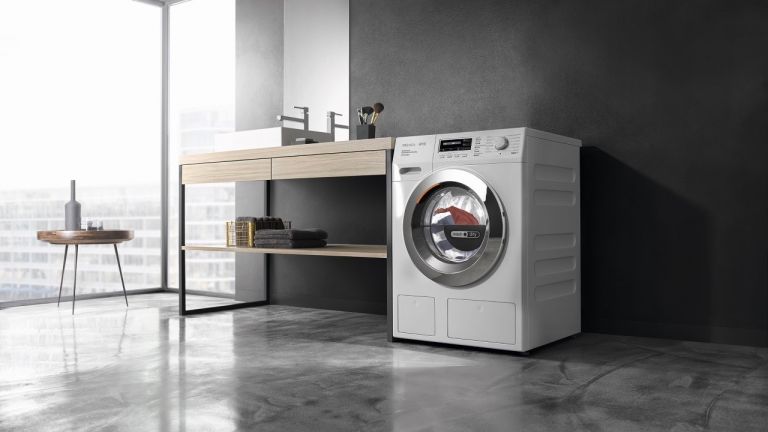
Washer Dryer Combination – Ideal for Urban Living and Small Space

Washer dryer combination units have become increasingly popular, especially among urban dwellers and those living in small spaces. These all-in-one appliances offer a practical and efficient solution to laundry needs where space is limited, making them ideal for apartments, studios, and compact homes. The primary advantage of a washer dryer combo is its ability to perform both washing and drying functions within a single machine, eliminating the need for separate units and saving valuable floor space. This feature is particularly beneficial in urban environments where square footage is often at a premium and every inch counts. In addition to saving space, washer dryer combos bring a high level of convenience to the laundry process. Users can wash their clothes and then dry them without having to transfer loads between machines, streamlining the chore and reducing effort and time spent. Many models are designed with smart technology and programmable settings that allow for customized wash and dry cycles depending on fabric type, load size, and level of soil, enhancing the care for garments.

Washer Dryer

This versatility makes the combo suitable not only for everyday clothing but also for delicate items, sportswear, and other fabrics that require specific treatment. Energy efficiency is another key benefit of washer dryer combos, which is important to many urban residents conscious of utility costs and environmental impact. Modern units often come equipped with energy-saving features such as eco modes, moisture sensors, and optimized water usage, helping to reduce electricity and water consumption. This makes them a sustainable choice for small households who want to maintain eco-friendly lifestyles without compromising on the quality of their laundry. Moreover, these units tend to operate quietly, which is a significant advantage in apartments where noise can be a concern for neighbors and family members alike. While washer dryer combos are compact and convenient, they do have some limitations compared to separate machines. For instance, the drying capacity is often smaller than the washing capacity, meaning larger loads might need to be dried in batches.

Another appealing aspect of the beste was- droogcombinatie units is their sleek and modern design, which fits well into contemporary urban interiors. Manufacturers have made strides in creating stylish appliances that blend seamlessly with kitchen cabinetry or laundry nooks, maintaining the aesthetic appeal of the living space. This is an important consideration for city dwellers who often prioritize a clean and organized home environment. Furthermore, some models offer stackable or slim-profile options, further maximizing available space while still delivering reliable performance. The washer dryer combination is a practical, efficient, and stylish solution for urban living and small space environments. It addresses the challenges of limited room without sacrificing functionality. For those living in apartments, condos, or homes where traditional laundry setups are not feasible, these units provide a smart alternative that simplifies daily chores, conserves resources, and complements modern lifestyle demands. As technology continues to advance, washer dryer combos will likely become even more versatile, energy-efficient, and user-friendly, cementing their role as an essential appliance for compact urban living.

Make Bold Color Statements With Vibrant Accent Walls And Unexpected Painted Ceilings

Making bold color statements with vibrant accent walls and unexpected painted ceilings is a powerful way to transform any space, infusing it with personality, energy, and a fresh sense of style. Accent walls have long been a popular design choice, offering a striking focal point without overwhelming the entire room. When done right, they add depth and dimension, creating visual interest that anchors the space. Choosing a vibrant hue for an accent wall, such as a rich emerald green, fiery terracotta, or electric cobalt blue, can instantly elevate the ambiance and reflect the homeowner’s bold taste. These colors invite attention, energize the room, and can highlight architectural features like fireplaces, built-in shelves, or dramatic doorways. What makes this approach even more exciting is pairing vibrant accent walls with unexpected painted ceilings. Traditionally, ceilings are left white or neutral, but breaking this convention introduces an element of surprise and creativity.

Stylish And Simple Décor

A painted ceiling can feel like an extension of the wall color or an entirely contrasting shade that challenges expectations and draws the eye upward. Imagine a moody charcoal ceiling in a bright living room, which adds coziness and intimacy while balancing out the brightness below. Or picture a warm mustard ceiling that complements a deep navy accent wall, wrapping the room in layers of rich color. This unexpected use of color on the ceiling creates a sense of height and drama, making the room feel more dynamic and thoughtfully designed. The combination of bold accent walls and painted ceilings also offers an opportunity to play with color theory and contrast. Complementary colors placed opposite each other on the color wheel, such as a vibrant coral wall paired with a teal ceiling, create a vibrant yet harmonious balance that excites the senses. Alternatively, using analogous colors—those that sit side-by-side on the color wheel such as shades of blue and green, provides a more soothing yet still visually compelling effect.

The key is to ensure that the colors, though bold, work together to unify the space rather than clash discordantly. Careful consideration of natural light, room size, and existing furnishings will guide the choice of hues to achieve a balanced and inviting atmosphere. In smaller spaces or rooms with unique architectural features, a painted ceiling can visually expand the room or highlight intricate moldings and beams. Glossy or satin finishes on ceilings reflect light, adding an unexpected glow that contrasts beautifully with matte or eggshell finish walls. Textured ceilings, such as those featuring subtle patterns or brush strokes, combined with bold colors, bring additional layers of interest tactility and rattan dining chairs. This approach transforms the ceiling from a forgotten surface to a celebrated design element, engaging the viewer from every angle. For those hesitant to commit to an entire wall or ceiling painted boldly, smaller areas like niches, closets, or even the inside of cabinets can be painted in vibrant colors for a pop of excitement. This adds personality without overpowering room and allows for playful experimentation.

New Home Builders Provide the Perfect Blend of Comfort, Style, and Efficiency

Building a new home is an exciting journey, and choosing the right home builder is essential for creating a space that perfectly balances comfort, style, and efficiency. Today’s homebuyers are looking for more than just a place to live they want a home that reflects their personal style, enhances their daily comfort, and incorporates modern efficiency features. New home builders understand these demands and strive to deliver homes that offer a seamless blend of all three aspects.

Comfort is a Top Priority

One of the most important elements in any home is comfort. New home builders design spaces that provide a relaxing and inviting atmosphere for homeowners. They use advanced construction techniques and high-quality materials to ensure optimal insulation, noise reduction, and indoor air quality. Open floor plans, spacious living areas, and large windows allow for natural light and a cozy environment. Additionally, features such as energy-efficient heating and cooling systems, smart thermostats, and high-performance insulation contribute to a home’s overall comfort level, ensuring year-round enjoyment.

A Stylish Home that Reflects Your Taste

Style is another crucial aspect of a new home. Builders offer a variety of architectural designs, interior layouts, and customizable options to match the homeowner’s preferences. From contemporary to traditional, modern farmhouse to minimalist, homebuilders incorporate the latest trends to create visually appealing and functional spaces. High-quality finishes, luxurious flooring, elegant lighting fixtures, and modern kitchen designs add to the aesthetic appeal. With options for personalized cabinetry, countertops, and paint colors, homeowners can bring their unique vision to life. The ability to choose from various design elements ensures that the home truly reflects the personality and lifestyle of its owners.

Efficiency for a Sustainable Future

Energy efficiency is a key focus for new home builders, as sustainability has become a major consideration in modern construction. New homes are built with energy-saving technologies, such as solar panels, LED lighting, and smart home automation, which help reduce energy consumption and lower utility costs. Many builders follow green building standards and use eco-friendly materials that contribute to a healthier living environment. Improved insulation, energy-efficient windows, and water-saving appliances further enhance the home’s sustainability. These features not only benefit the environment but also provide long-term savings for homeowners.

The Advantage of New Construction

Choosing home builders gerringong offers numerous advantages over purchasing an older home. Newly constructed homes come with modern wiring, updated plumbing, and the latest safety features, ensuring a hassle-free living experience. There is also the benefit of builder warranties, which provide peace of mind by covering structural components and major systems. Additionally, buyers can avoid the costly renovations and repairs often associated with older homes. The convenience of move-in-ready homes with modern amenities makes working with a builder an attractive option. New home builders take pride in creating homes that offer the perfect mix of comfort, style, and efficiency.

2024 Fence Design Trends You Need to Know About

Fencing is no longer just a functional element of a property; it is an essential part of the overall design and aesthetic appeal. As we step into 2024, fence designs are evolving to combine practicality with style. Whether for privacy, security, or simply enhancing curb appeal, the latest trends in fencing are more diverse than ever. Here are some of the top fence design trends to watch out for in 2024.

  1. Sustainable Materials and Eco-Friendly Designs

Sustainability is at the forefront of many design choices in 2024, and fencing is no exception. Homeowners are increasingly opting for eco-friendly materials like reclaimed wood, bamboo, and composite materials that are not only durable but also have a smaller carbon footprint. These materials are perfect for those looking to reduce their environmental impact without sacrificing aesthetics. Additionally, recycled metal fences are gaining popularity due to their strength and minimal environmental impact.

Fencing Services

  1. Minimalist and Modern Styles

Simplicity is key in modern fence design. Clean lines, muted colors, and sleek, geometric patterns dominate this trend. Minimalist fences often feature horizontal slats or vertical boards with narrow gaps to allow a glimpse of the surroundings while maintaining a sense of privacy More info. This style works well with contemporary homes, offering a stylish and understated way to define boundaries.

  1. Vertical Gardens and Green Fences

As outdoor living spaces become more integrated with nature, green fences are making a strong comeback. Vertical gardens, or living fences, are fences that incorporate plants into their design. They can be used to create privacy, block noise, or simply add greenery. From ivy-covered lattice fences to modern modular systems that support climbing plants, this trend is perfect for eco-conscious homeowners who want to bring a touch of nature to their outdoor space.

  1. Smart Fencing Solutions

With the rise of smart technology, fences are also becoming more high-tech. In 2024, homeowners are turning to automated gates, security cameras, and motion sensors to make their fences smarter. Solar-powered lights and integrated Wi-Fi systems are also gaining traction, allowing for easier monitoring and maintenance. These smart fences offer both security and convenience, and they are perfect for homeowners looking to create a modern, tech-savvy outdoor space.

  1. Statement Fences

In 2024, fences are becoming a statement piece in many landscapes. Bold colors, intricate designs, and artistic elements are being incorporated into fences to make them stand out. Whether it is a fence with custom metalwork or a colorful mural that turns the fence into a work of art, statement fences are designed to capture attention and elevate the outdoor space.


  1. Privacy and Sound-Barrier Fences

As people spend more time at home, privacy is becoming an even higher priority. Privacy fences with solid panels, taller heights, and soundproofing features are in demand. Materials like concrete, stone, and thick wood are used to create fences that shield outdoor spaces from both prying eyes and external noise, making them ideal for city dwellers. In 2024, the fence you choose can be a reflection of your personal style and a functional addition to your home. Whether you are after sustainability, modern elegance, or a natural, green touch, there’s a trend that will suit your needs perfectly.

Sell House Fast for Cash the Quickest Way to Move On

In today’s fast-paced world, circumstances can change rapidly, and sometimes you need to sell your house quickly. Whether you are facing financial difficulties, going through a divorce, relocating for a new job, or simply want to upgrade or downsize, selling your home for cash can be the most efficient solution. Here’s why opting for a cash sale can be your best decision. First and foremost, selling your house for cash eliminates many of the hassles associated with traditional home sales. Typically, selling a home involves a lengthy process: listing the property, conducting showings, and dealing with buyer financing, and navigating potential repairs. With a cash sale, you can bypass most of these steps. Cash buyers are often investors or companies looking to purchase properties as-is, meaning you would not have to spend time or money on repairs, staging, or cleaning.

Additionally, cash transactions usually close much faster than those requiring financing. While traditional sales can take 30 to 90 days or more to finalize, cash sales can often be completed in as little as a week. This rapid turnaround allows you to move on with your life without the stress of prolonged uncertainty. If you are in a tight situation and need funds quickly, this speed can be invaluable. Moreover, cash sales provide you with a clear understanding of the transaction. There are no hidden fees, unexpected costs, or lengthy negotiations with banks or lenders. You receive a straightforward cash offer based on the property’s current condition and market value. This transparency fosters trust and confidence in the selling process.

For those concerned about market fluctuations, selling for cash can also be a safer option. Real estate markets can be unpredictable; by accepting a cash offer, you can secure your sale and avoid the risks associated with waiting for a buyer who may rely on financing. Lastly, selling your house for cash gives you the flexibility to move on as soon as the sale is complete. Whether you want to invest in a new property, relocate for a job opportunity, or take time to travel, the Sell My House Fast freedom to choose your next steps is empowering. If you need to sell your house fast, consider a cash sale as your quickest path to moving on. By skipping the traditional hurdles and gaining immediate access to your funds, you can embrace new opportunities with confidence and peace of mind.

The Intersection of Style and Utility in Bathroom Mirrors

Bathroom mirrors have evolved from being purely functional fixtures to becoming essential design elements that balance both style and utility. As one of the most frequently used items in any home, the bathroom mirror plays a crucial role in grooming and daily routines, but it also offers a unique opportunity to enhance the aesthetics of the space. In modern homes, the intersection of style and utility in bathroom mirrors is more evident than ever, as they serve as both practical tools and decorative features. At the heart of this transformation is the growing trend of personalized interior design. Homeowners now have the luxury of choosing bathroom mirrors that align with their individual tastes while also meeting their functional needs. This has led to an explosion of options, ranging from sleek, minimalist designs to more ornate, vintage-inspired mirrors. Modern mirrors often feature innovative shapes oval, round, or asymmetrical and frameless designs that offer a clean, streamlined look.

These contemporary styles are ideal for creating a sense of openness and light, especially in smaller bathrooms where space is at a premium. While style is a key consideration, utility remains the primary function of any bathroom mirror. Advances in technology have significantly enhanced the practical aspects of these mirrors. For instance, many modern mirrors come equipped with built-in LED lighting, providing optimal illumination for tasks like shaving, makeup application, and skincare routines. These lights can be adjusted for brightness and color temperature, catering to different needs and preferences. Some mirrors even include features like anti-fog technology, ensuring a clear reflection even after a hot shower, or smart integrations such as Bluetooth speakers and touch-sensitive controls, further blending convenience with aesthetic appeal. One of the most popular trends in bathroom mirrors is the use of backlighting. Backlit mirrors create a soft, diffused glow that eliminates harsh shadows and adds a touch of luxury to the space.

In larger bathrooms, double mirrors or mirrors that span the length of the vanity add both visual symmetry and practical usability, ensuring that multiple users can comfortably share the space without compromising on style and click here https://stockdalecolemanforjudge.com/top-factors-to-consider-when-selecting-a-mirror-for-bathroom-space/ to read. Moreover, bathroom mirrors can also be used strategically to create a sense of depth and space. Large, wall-to-wall mirrors, for example, can make a small bathroom feel more spacious by reflecting light and extending the visual boundaries of the room. In contrast, smaller mirrors with distinctive frames can serve as focal points, drawing attention to the design elements of the bathroom, such as tile work or lighting fixtures. Incorporating a mirror with functional storage is another way to marry style and utility. Medicine cabinets with mirrored doors offer a dual purpose, providing valuable storage space while maintaining a sleek appearance. These are particularly useful in bathrooms with limited countertop or drawer space, allowing for a clutter-free environment without sacrificing accessibility to daily essentials.

The Soft Close Hinges – Perfect for Quiet, Smooth-Close Cabinet and Furniture Design

Soft close hinges are a testament to how even the smallest details can elevate the quality and functionality of cabinetry and furniture design. These hinges, designed to offer a silent, gentle closure, are a luxury feature that has become increasingly sought after in modern interiors. Their primary appeal lies in their ability to transform the simple act of closing a cabinet or drawer into a smooth, nearly imperceptible motion, enhancing both the user experience and the longevity of the furniture. The technology behind soft close hinges is a marvel of engineering. They incorporate a hydraulic or pneumatic mechanism that controls the speed and force with which the door or drawer closes. When the door approaches its closed position, the hinge gradually slows down the motion, preventing the sudden impact that can occur with standard hinges. This not only avoids the loud slamming noise but also minimizes wear and tear on the cabinet components, thereby extending their lifespan. The result is a refined, quiet closing action that exudes sophistication and thoughtfulness in design.

From a practical standpoint, soft close hinge are invaluable in maintaining the aesthetics and functionality of furniture. In high-traffic areas like kitchens and bathrooms, where cabinets are frequently opened and closed, the absence of loud bangs creates a more serene and pleasant environment. This is particularly advantageous in open-plan spaces or homes with young children and pets, where noise reduction is a priority. Additionally, the gentle closing action prevents accidental pinching and reduces the risk of damage to the cabinetry, which can occur with abrupt closures. The luxury of soft close hinges is not just about convenience and noise reduction; it also reflects a commitment to quality and attention to detail. Their presence in a home or office signifies a dedication to high standards of craftsmanship and user comfort. These hinges are often found in premium cabinetry and custom-built furniture, underscoring their association with top-tier design and materials. They add a touch of elegance and modernity to any space, enhancing its overall appeal and functionality.

Installation of soft close hinges is typically straightforward, but it requires precision to ensure optimal performance. Many modern cabinetry solutions come pre-fitted with these hinges, but they can also be retrofitted to existing cabinets with a bit of effort. For those undertaking a DIY project or working with a professional carpenter, the investment in soft close hinge suppliers is well worth the enhancement they bring to the final product. They not only improve the operational experience but also contribute to the overall durability and aesthetic quality of the furniture. In summary, soft close hinges represent a blend of technological innovation and luxurious comfort. They address both practical and aesthetic considerations, offering a refined solution to common issues associated with cabinet and furniture operation. By incorporating these hinges into design projects, one can achieve a quiet, smooth-closing experience that enhances the enjoyment and longevity of the furnishings, making them a valuable addition to any high-quality interior.